folk
June 10, 2026Want to develop the solutions that electrify Norway?
– An incredibly exciting role at the intersection of mechanical and electrical engineering, where no two days are the same.
Read moreA fantastic journey comes to an end for 73-year-old Olav Dalsbotten, who signs off and disconnects after a full 48 years in Møre Trafo. In recent years, it has been all about massive electrification on land and at sea for Møre Trafo. There is always a transformer behind it all – the hidden workhorse of the power grid.
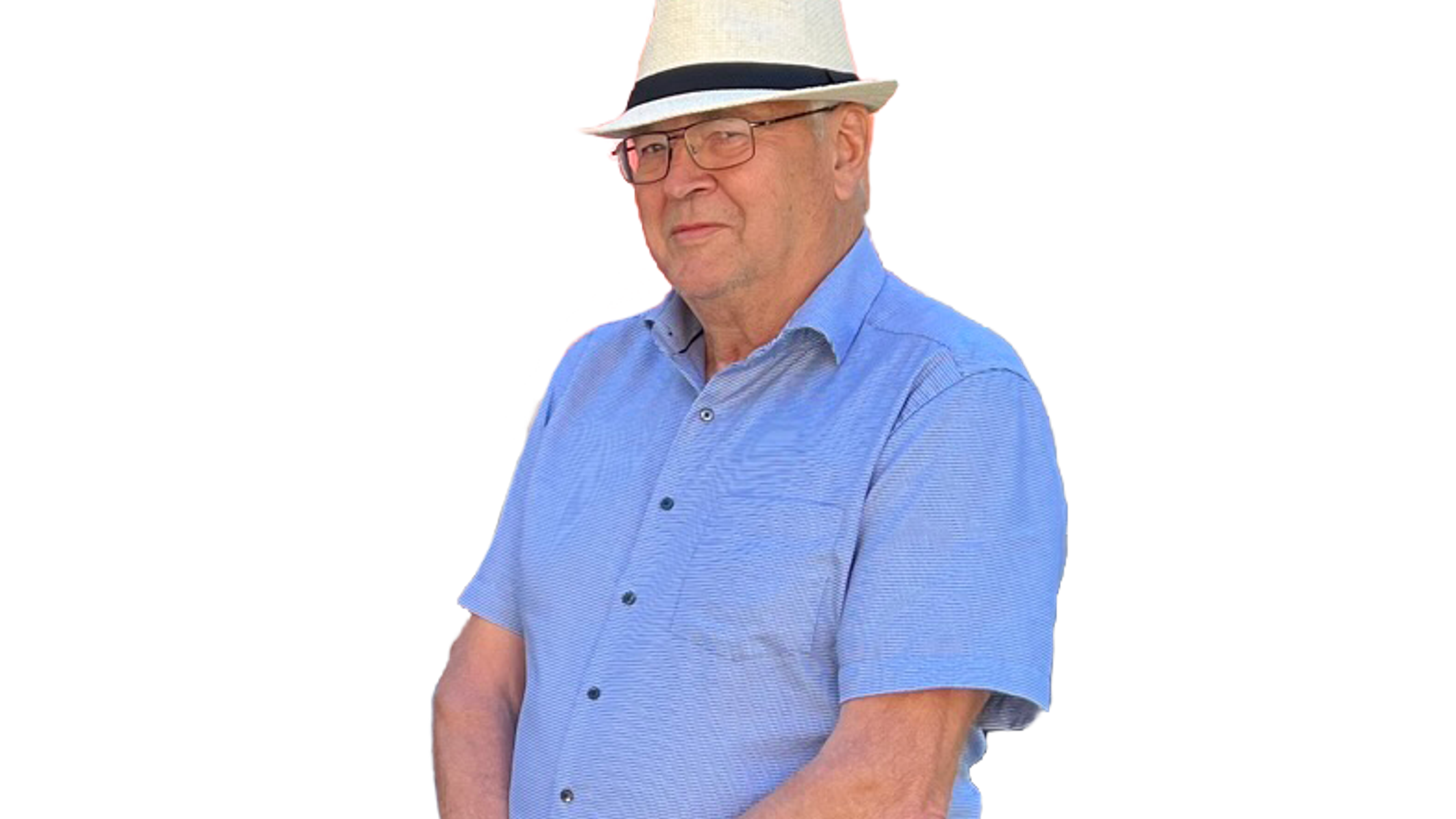
“And now even I’ve been electrified,” says Olav Dalsbotten with a twinkle in his eye, referring to the pacemaker he had to get after a long life with hardly a single hospital visit.
The jovial, friendly and cheerful power engineer assures us that he feels just fine, and that he is ready for an active retirement.
“But I have to admit it feels a bit strange and a bit sad that it’s over now. Møre Trafo is in many ways my life and my hobby,” says Olav Dalsbotten, who will always keep a close eye on the factory. From his home he looks straight down at the factory, which has grown into Scandinavia’s largest producer of distribution transformers and fully assembled substations.
Among grid people and in the industry, he has long since become a household name. He is Mr. Møre Trafo. With all his knowledge and expertise, people describe Olav Dalsbotten as an institution, a key figure and driving force. He was hired as head of the development department at Møre Trafo, and leaves as senior sales engineer. For years he has fronted Møre Trafo in so many settings, at countless conferences, trade fairs, technical days and a long, long list of customer visits.
Olav was born and raised in Flåm, where he took the Flåmsbana to school from the now closed Dalsbotn station. After attending the regional high school in Voss, he went on to NTH in Trondheim.
“I decided that I would study at NTH after a visit at home from a guy who had studied at NTH. That visit must have made a mighty impression. I was only six years old,” says Olav Dalsbotten.
In the trade journal Energiteknikk, Olav has told the story of how he more or less by chance came across a job posting from Møre Transformatorfabrikk AS, as the company was called back then, when he was a newly graduated power engineer in 1975.
“I had barely even heard of the company, but they were hiring their first MSc engineer and head of the development department. I sent an application and was invited to an interview in Sykkylven with the boss himself and the company’s founder, Oddvar Rieve Kristiansen. I had barely made it back to the student town at Moholt in Trondheim after the flight when he called and offered me the job,” Olav told Energiteknikk.
Møre Transformatorfabrikk tempted them with a terraced house in the village, and it was hard for Olav to say no. He was married to a girl from Trøndelag, and the couple already had two little ones. So they moved to Sykkylven, and he started work on February 1, 1975. The newly graduated civil engineer went straight into the management team as head of the development department.
“But the department was just me,” Olav Dalsbotten adds with a smile.
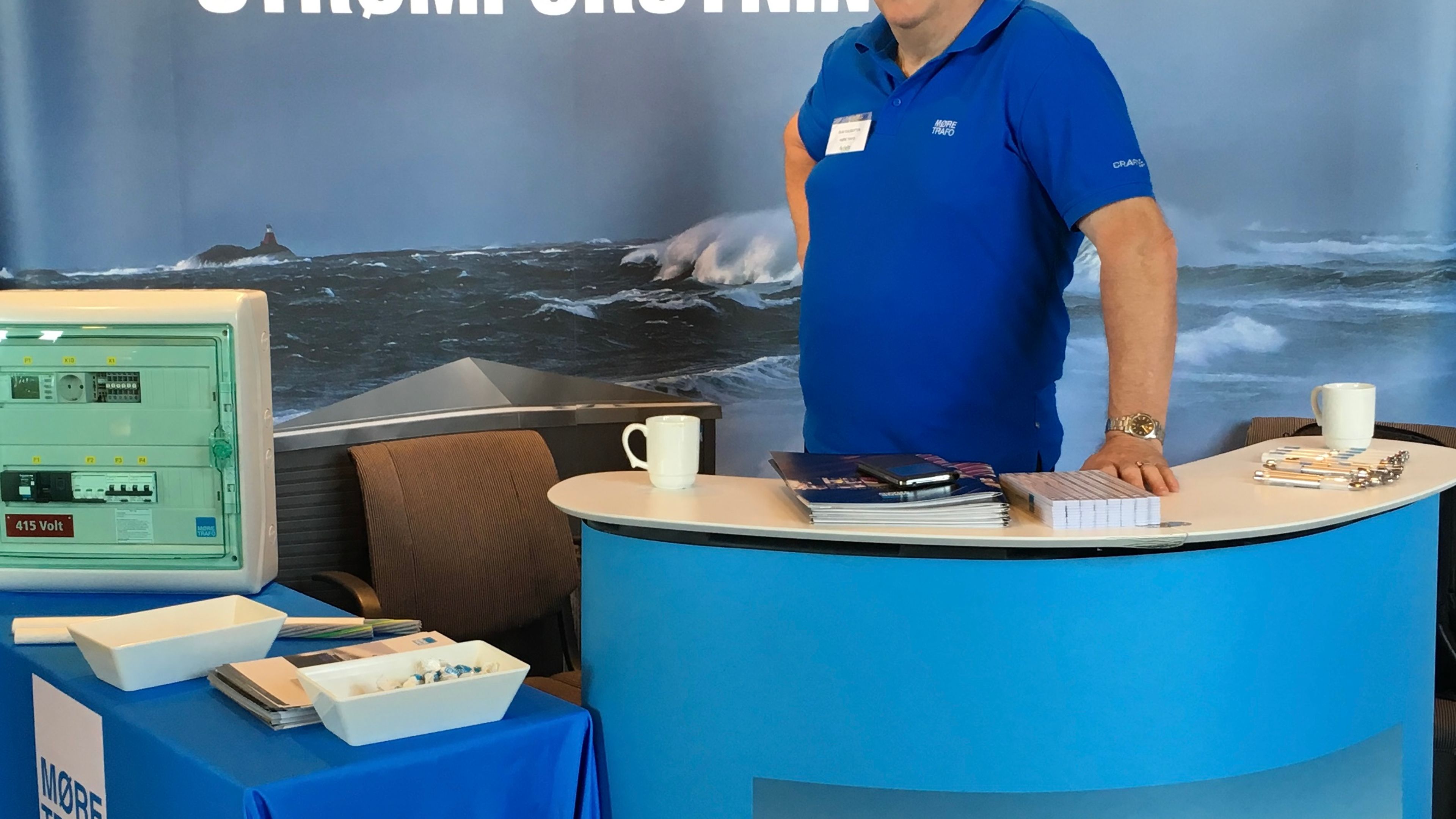
On his first day at the office, his boss told him to grab a warehouse coat and spend the first few weeks walking the factory floor to learn how a transformer is produced.
“It’s one of the best pieces of advice I’ve ever received. I learned an incredible amount in a short time, and I built a fantastic connection with the staff, both through conversations on the factory floor and over a beer after work. I think this kind of closeness is absolutely crucial for creating a good and productive work environment,” says Olav Dalsbotten.
His first project was to build a new test room for transformers. In 1978 he took over responsibility for production. The year before, the decision was made to bring the transformers down from the poles, and as factory manager, Olav Dalsbotten pushed for Møre Trafo to start producing substations as well.
Placed in ground-level kiosks, maintaining the transformers became easier and safer. Behind the idea was Johannes Sviggum, a legendary manager at Gudbrandsdal Energi. He brought Rieve Kristiansen with him to a meeting with the Electrical Inspection Authority, and shortly afterwards the first JS kiosks were produced, carrying the initials of Johannes Sviggum.
In 1987, Møre Trafo ended up in a dramatic squeeze after several mergers that came as a major surprise to the company. The merger meant that all competitors in the Norwegian market joined forces into EB NEBB, which until then had been the sales organization for Møre Trafo, and now became part of the new company. The unit became ABB, which then controlled the entire Norwegian market. The future of Møre Trafo looked bleak.
“We decided to fight back, even though it cost a lot. We borrowed 30 million kroner to buy out NEBB’s shareholding in Møre Trafo,” says Dalsbotten.
Before the merger, Dalsbotten was the one in contact with the salespeople at NEBB, and after the merger he was asked by CEO Kjetil Bruset to build a completely new sales organization.
“I had completely free rein to travel around and hand-pick the people I wanted. I brought in many from NEBB – and they were more than happy to join us,” says Dalsbotten. In January 1988, the Sales organization was in place.
In 1991 the Energy Act came, which meant there were few investments in grid operations. That gave Møre Trafo some lean years before things started to brighten again in 2006. Since then, the trend has mostly pointed upward. In recent years, Møre Trafo has set one record after another.
Olav Dalsbotten has been closely involved in developing transformers that adapt voltage and current, and that make sure everyone gets the power we’ve become so dependent on. What he doesn’t know about transformers is hardly worth knowing. Today we build far better transformers than when he started in 1974. Back then, a lot of poor-quality sheet steel was used in the transformer cores – which caused major losses.
In the 1980s the focus shifted to insulation, loss reduction and weight reduction. Losses have been reduced by using new materials such as thinner core steel. The steel is the real gold in transformer production and today makes up a third of the cost. The Japanese steel in particular was a technological leap, according to Dalsbotten.
In 2015 and 2021, the EU tightened the rules for producing more efficient distribution transformers. That required a major shift in production. There is still a lot of manual work, and after 2021 the winding often has to be done with two wires instead of one. That naturally makes the work more demanding.
“I’ve had a good time at Møre Trafo, worked with many great people, met a lot of great people, and I’ve had the chance to influence the company’s development. Only once did I seriously consider changing employer. I was offered a management job back home in Aurland. But then my wife pulled the handbrake,” says Dalsbotten.
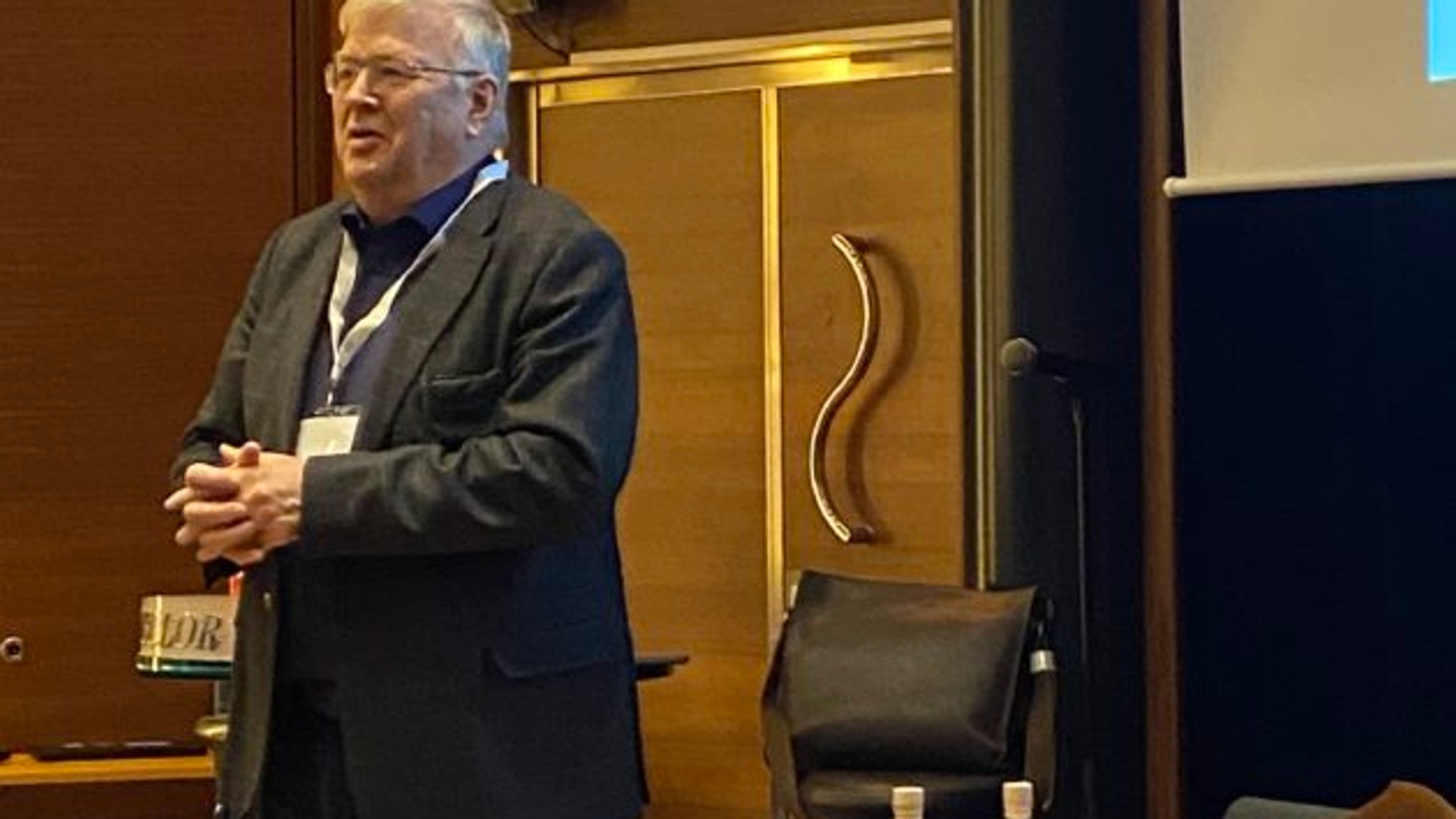
“But there are others besides Møre Trafo you’ve been extremely loyal to?”
– Heh. Yes, I’ve now ordered my fifteenth Mazda in a row. On top of that, my wife has always had a Mazda, and one of my children too. The reason it ended up being Mazda was a purchase I made in 1980. Shortly after, I got a check from Mazda for a couple of thousand kroner. The money was a refund because the Japanese yen had gone down in value. I thought that was such brilliant marketing and a great gimmick that it’s been Mazda ever since, says Dalsbotten.
“Did a bit of Mazda also make its way into the Møre Trafo logo?”
“Yes, I helped design the Møre Trafo logo and I have to admit the color choice comes from Mazda,” Dalsbotten laughs.
He hasn’t made any big plans for retirement yet, but he definitely wants to travel more, and then outside Norway. As a salesperson he has traveled all over Norway for many years. Now he will also have even more time for his grandchildren, who have meant, and still mean, something truly special to him. They lost their mother at a young age, and since then Olav has been there for them through thick and thin.
– An incredibly exciting role at the intersection of mechanical and electrical engineering, where no two days are the same.
Read more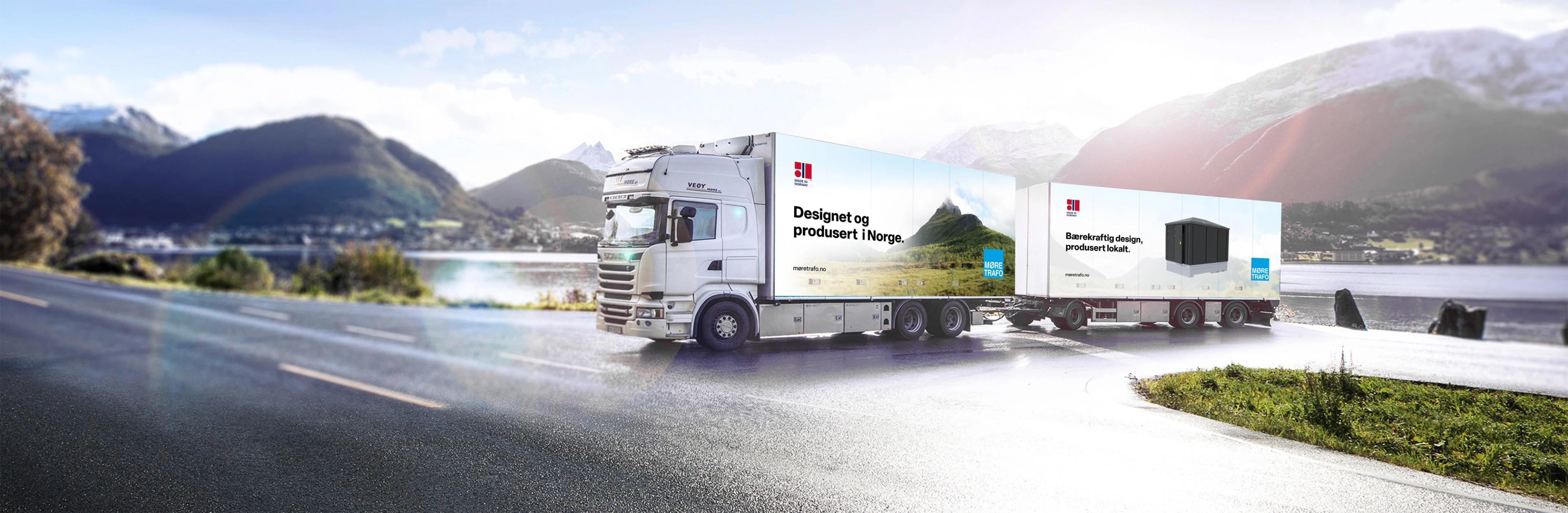
What does Made in Norway mean? Made in Norway is an official labeling scheme from Innovation Norway that highlights products and solutions developed and manufactured in Norway, under strict requirements for quality, responsibility, and traceability. Our customers are all over Europe. For them, this is a guarantee. In a world that is constantly changing, and with increasing unpredictability,…
Read moreStay up to date with projects, insights and news from our daily work.
Read more