Transport

Torghatten Nord – Norway’s Longest Electrified Ferry Route

8 MVA for Lødingen–Bognes – Norway’s toughest ferry crossing

Talk to an advisor
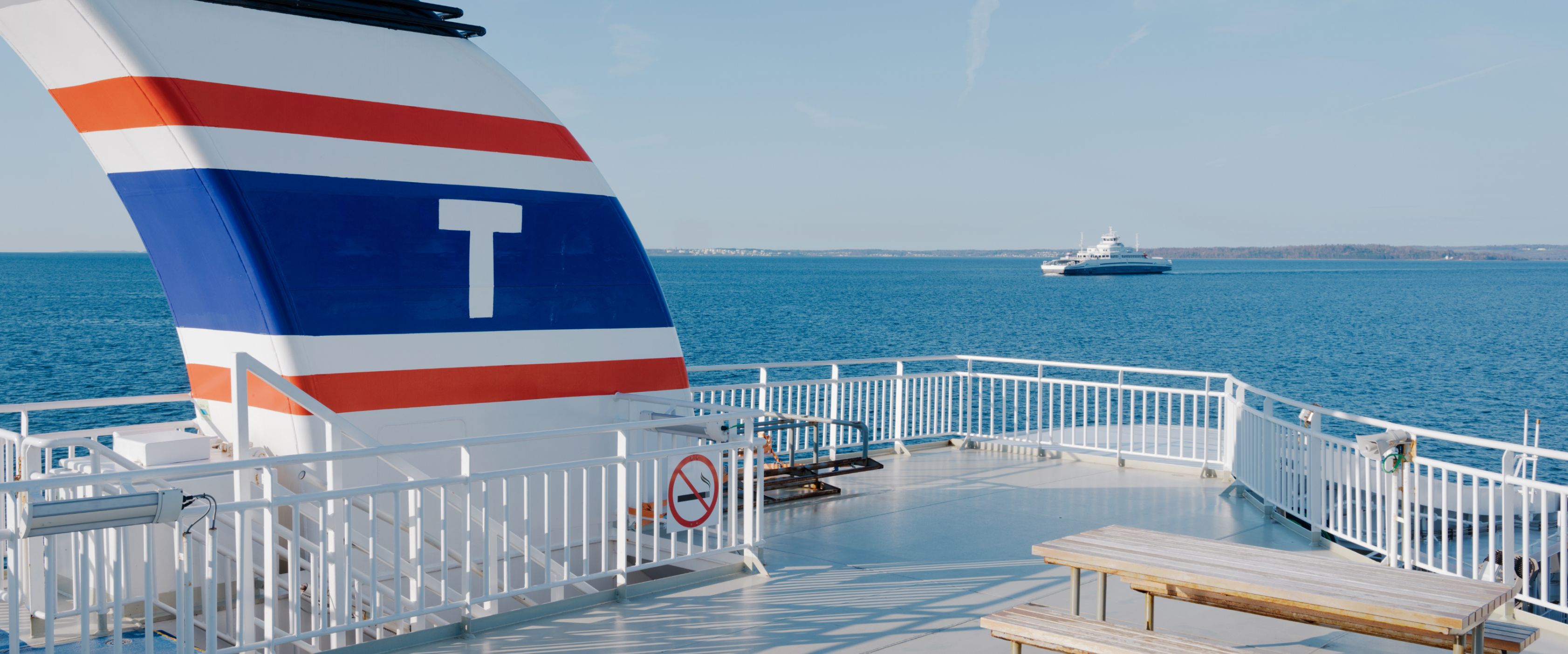
Torghatten ferry connection

Lødingen–Bognes across Ofoten is 22 kilometers long with a 60-minute crossing time. It is one of Norway’s most demanding ferry routes, and is now the country’s longest electrified ferry route. From 2024, Torghatten Nord operates three battery ferries at high frequency, all year round.

Møre Trafo delivered two 4 MVA transformers and two complete substations to Lødingen and Bognes – a total installed capacity of 8 MVA. It is among the largest installations the company has ever delivered, with custom design, special materials, and advanced cooling technology.

What made the project especially demanding was the combination of very high power ratings, customized high-voltage equipment, and strict requirements for construction, lifting, and transport.
Bjørn Lade, Møre Trafo

The Challenge

Long distances and short port calls are a recipe for extremely demanding charging power.

  • 8 MVA installed capacity – among the largest charging facilities in the ferry sector
  • Periodic overload – two ferries charge simultaneously for short periods
  • Architectural expression – The Norwegian Public Roads Administration required specific designs for stations and technical buildings
  • Sanctions barrier – Siberian larch replaced with Norwegian pine, royal-impregnated
  • Challenging transport – 3.80 m high technical buildings, delivered without roofs and covered with tarpaulins

The electrification is described by the Norwegian Public Roads Administration as a milestone for the green transition at sea. The facility has 11 daily departures in each direction on weekdays and up to 21 in summer.
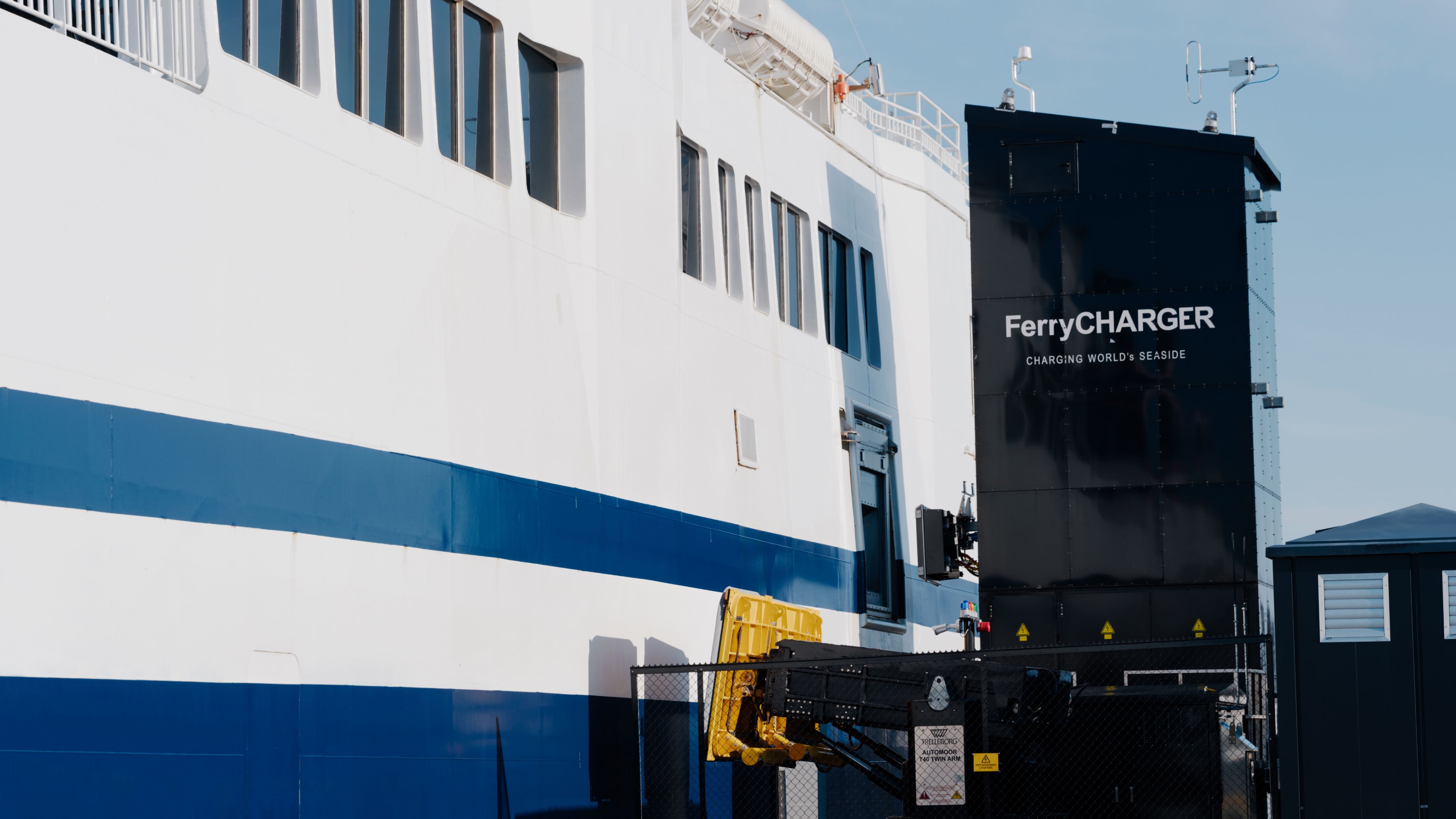
Charging at Lødingen

The Solution

Tailor-Made from Transformer to Technical Building

  • 2 × 4 MVA transformers (22,000 / 11,000 V)
  • 2 complete substations (Lødingen and Bognes)
  • Insulated technical buildings with custom high-voltage equipment from Siemens (11 kV)
  • Variable-speed cooling via thermostat and PLC – cuts noise and keeps operation safe under overload
  • FR3 oil (KNAN) and pressure relief valve for increased safety
  • Mono-pitch roof with 20° roof angle in silver-gray finish

All high-voltage equipment was assembled and tested by Møre Trafo before delivery. The technical buildings were shipped north without roofs – the roofs were transported separately – and with tarpaulins to protect the high-voltage equipment during transport.

The Result

  • Norway’s longest electrified ferry route– in stable commercial operation from 2024
  • 8 MVA delivered – Norway’s most powerful charging infrastructure for ferries
  • Three battery ferries in operation on one of Norway’s most demanding routes

The project is a milestone for green maritime transport and confirms Møre Trafos role as a full-range supplier under the most demanding conditions.

“A demanding project with many technical and logistical challenges,” says Bjørn Lade at Møre Trafo.

Project facts

CustomerNorwegian Public Roads Administration
OperatorTorghatten Nord
SectionLødingen–Bognes (Rv. 85)
Length22 km – crossing time approx. 60 min
Operations2 × 4 MVA (22,000 / 11,000 V)
Total power8 MVA
Substations2 complete (Lødingen and Bognes)
CoolingSpeed-controlled via thermostat and PLC
OilFR3 (KNAN), enhanced protection
StatusIn operation

Contact us

Get in touch for a no-obligation review of needs, capacity, and grid connection.

Bjørn Lade

Salg prosjekt – eksport

More of our references

Transport
January 2026

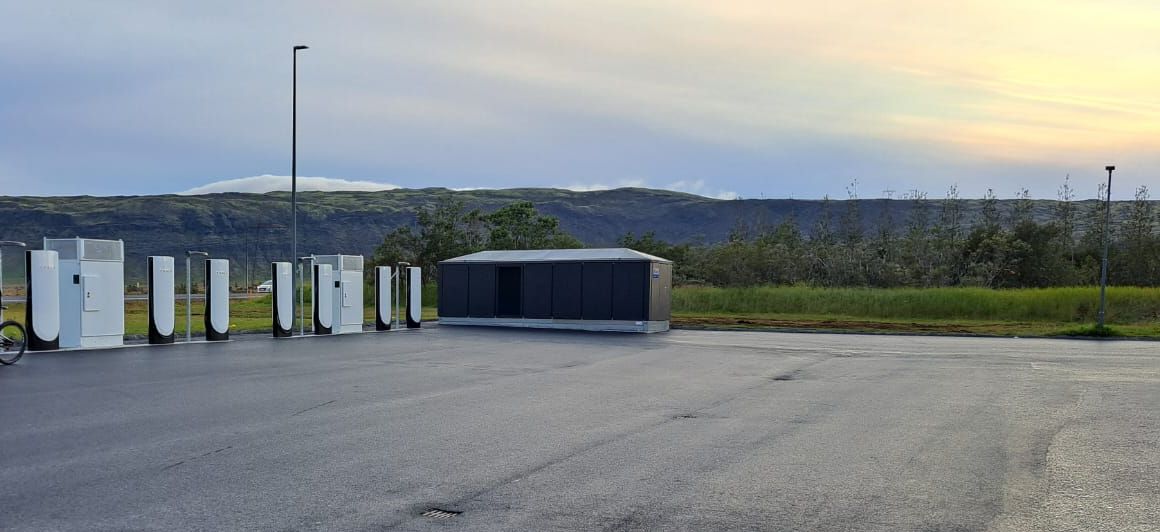
Tesla – Ladeinfrastruktur på Island

Komplette nettstasjoner for krevende nordiske forhold

Transport
February 2021

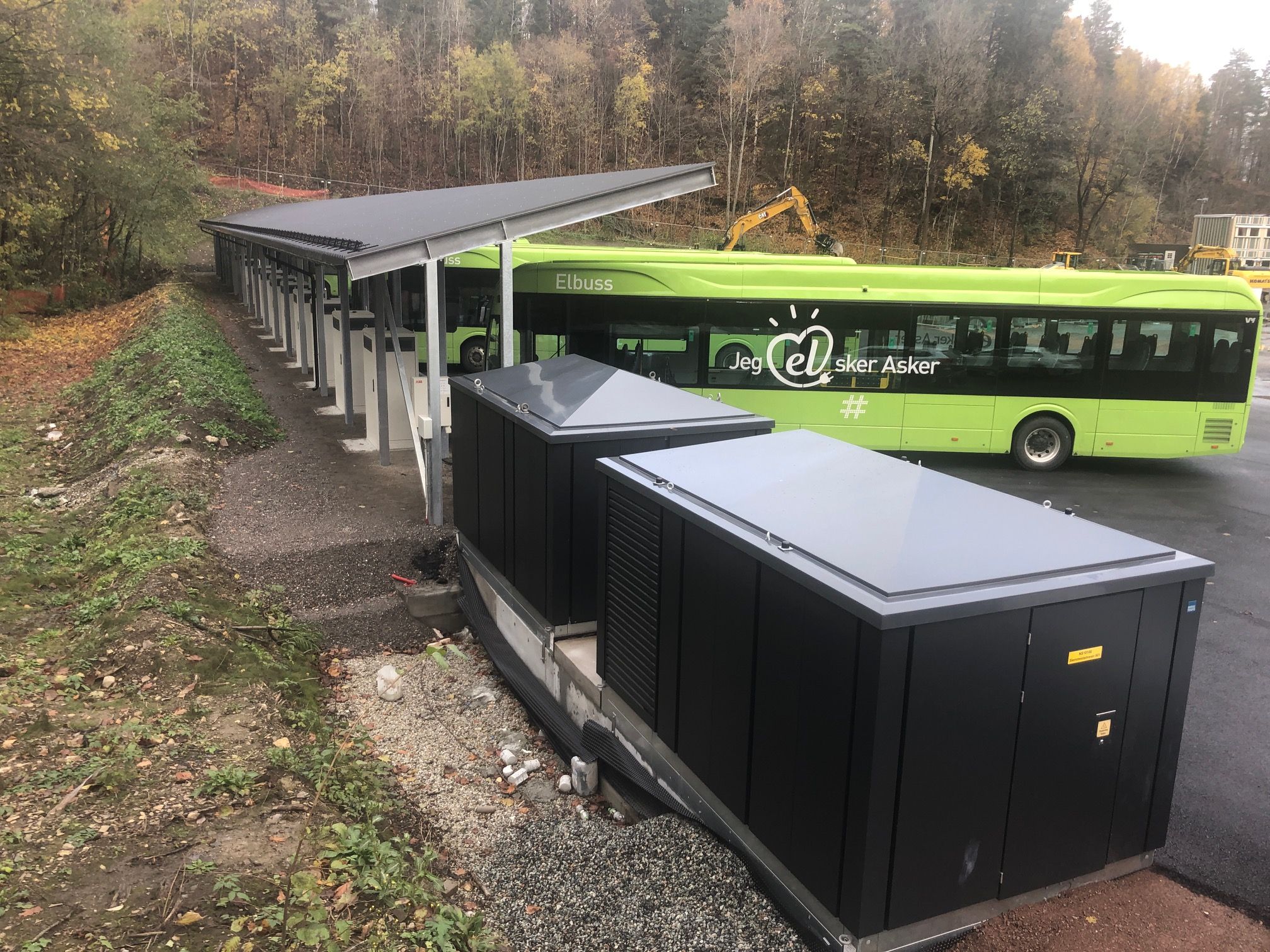
Vy Buss – Ladeinfrastruktur for elbusser

10 MW ved Alnabru og skreddersydde løsninger på Slemmestad

This is only a selection. Explore more projects.

All references