The training program was developed in the US during World War II to meet the urgent need to train new factory workers with no prior experience. The goal was to ensure a structured introduction to work tasks, improvement work, and interpersonal interaction.
Efficient Training at Møre Trafo
Carried Forward
After the war, TWI gradually disappeared from American industry, but it carried on in Japan through the American occupation authorities. There, the method was translated, adapted, and further developed – among others by Taiichi Ohno, the engineer behind the Toyota Production System (TPS). Toyota in particular integrated Job Instruction (JI) as a core component in training factory workers – referred to as team members.
The Toolbox
This approach laid the foundation for what later became known as the Lean philosophy. Today, TWI is a natural part of the toolbox for companies that want to build a learning organization, strengthen continuous improvement, and ensure high operational quality.
Employees Become Instructors
This year, Møre Trafo starts training 20 employees in the first of three main programs. They become instructors who train new employees correctly, quickly, and safely in standardized work processes. The method will be implemented in all production departments.
Kristian Planned the Training
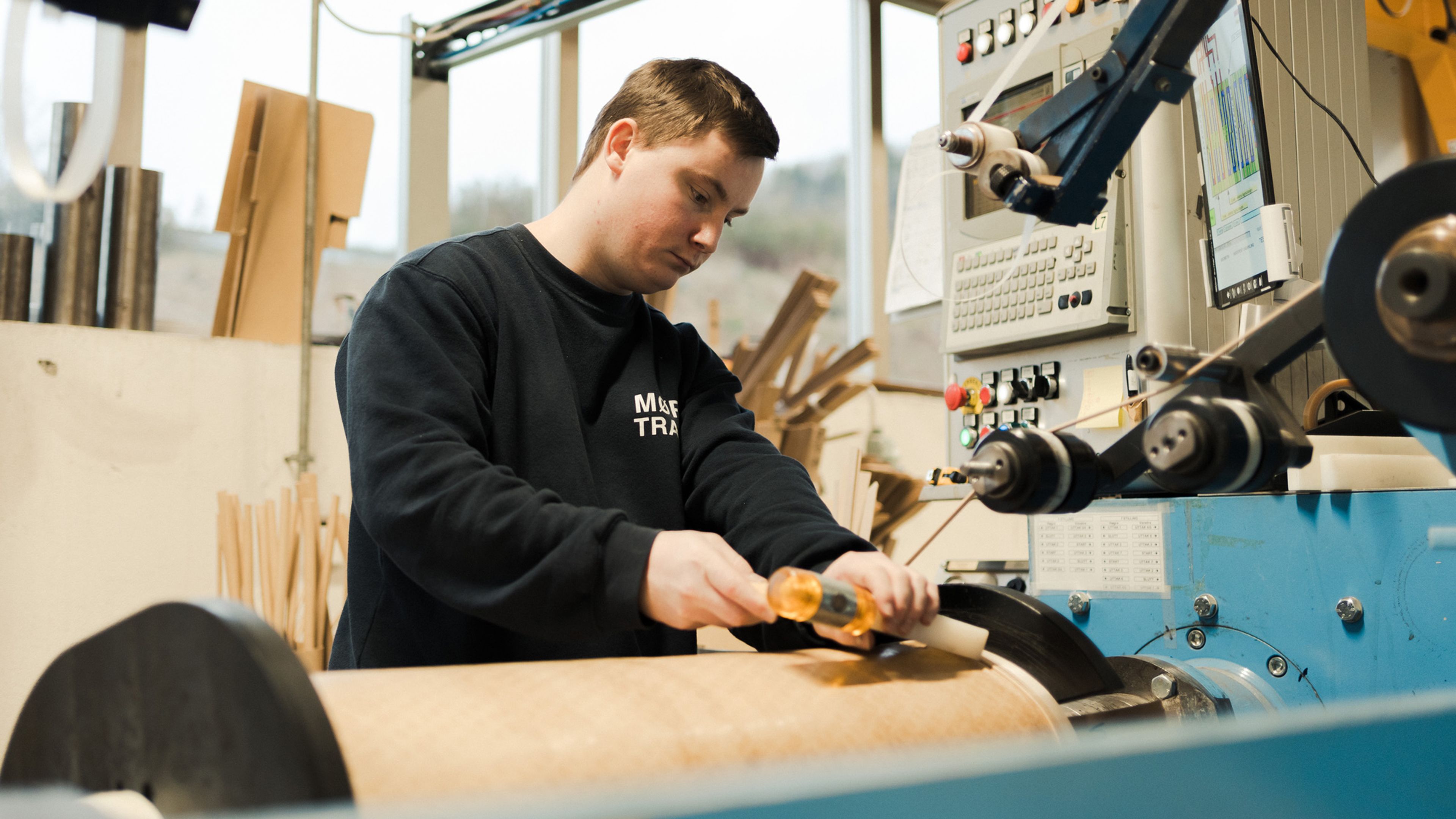
Kristian Blindheim (27) is one of the 20 who are now instructors, and will train new people in his department. He has seven years of experience from the Winding Department at Møre Trafo.
“The first part of the TWI program was a two-day course this spring. We went through how we could best set up a solid training plan, how to welcome and meet new people, and how to make them feel confident both in me as an instructor and in the job they are going to do,” says Kristian.
Consistent Training
So far, Kristian only has positive experiences, and believes the method gives more consistent training without the bad habits that earlier and maybe a bit more random training could lead to. He himself was trained by the person who was about to leave the job Kristian took over.
“If there was something I was unsure about after he left, I couldn’t just ask the guy next to me, who did things his own way and a bit differently from the training I got,” says Kristian.
Trained Two New Colleagues
Kristian likes to take responsibility, and so far he has trained two new colleagues. It has worked very well.
“It’s great to be able to teach and see that the person you’re training masters it and feels confident about it,” says Kristian.
Structured Approach
The method gives a structured approach to training, and has proven to contribute to:
Systematic and efficient training
Increased confidence and mastery among employees
Better quality, standardization and efficiency
Support for leaders in developing teams and improving workflow
Focus on Improvement
Møre Trafo is certified to three ISO standards and has a strong focus on improvement work. Møre Trafo makes sure production employees take part in both standardization and decision-making processes related to training and improvements. This is a key part of the work to strengthen both competence and competitiveness in the organization.
Three Main Programs
TWI consists of three main programs:
Job Instruction (JI)How to train employees correctly, quickly and safely in standardized work processes.
Job Methods (JM): How to analyze and improve work methods to increase efficiency.
Job Relations (JR): How to build strong relationships and handle interpersonal challenges constructively.
Seeing Results
— You already see results. The instructors take active responsibility for training and improvement work in the factory. This motivates us to move on to the next TWI programs and further strengthen Møre Trafos development. We now have course number two coming up, covering Job Methods, followed by course number three on Job Relations, says Solgun Janet Welle, HR Manager at Møre Trafo.
Enormous Development
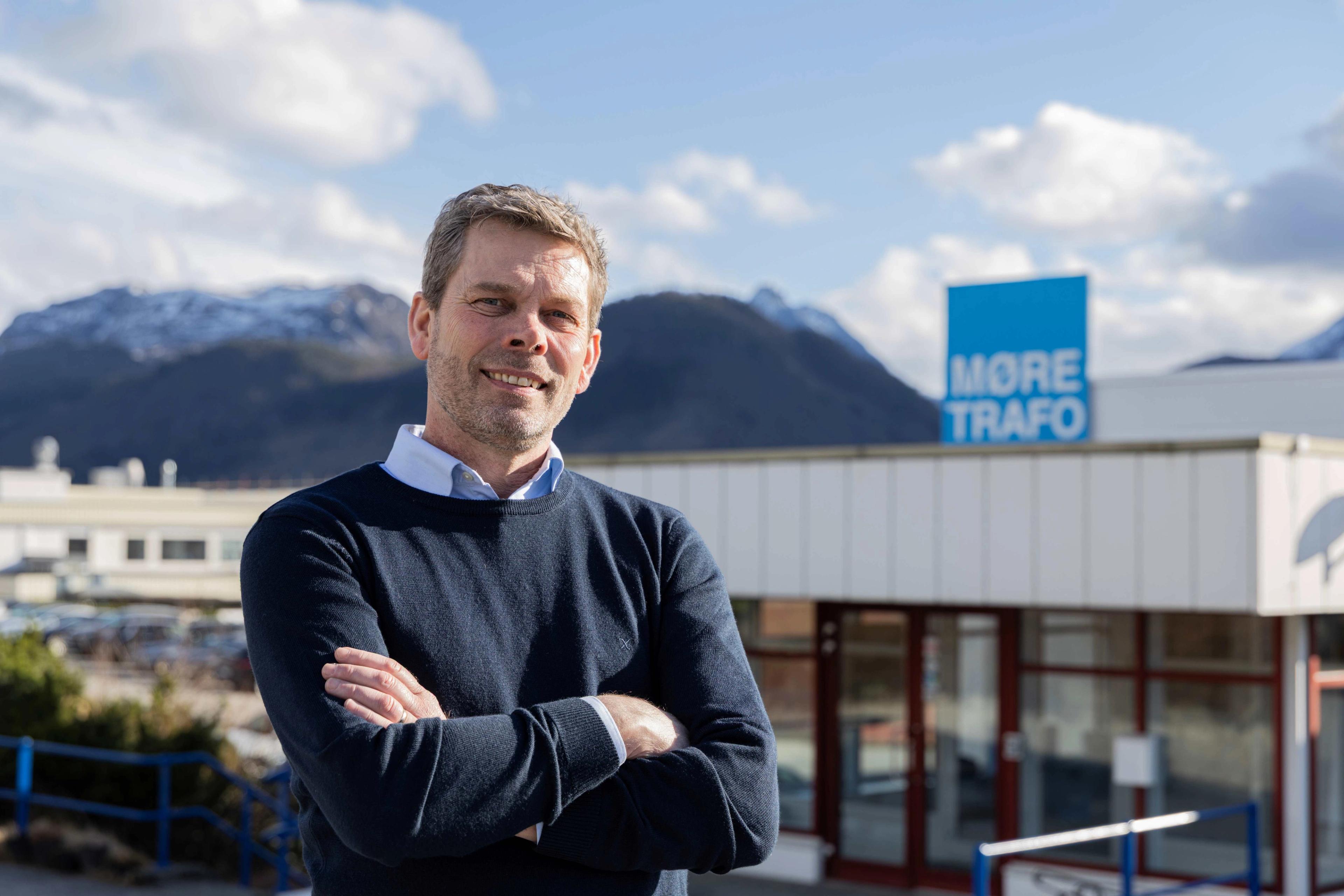
Rune Aurdal (60) was only 17 years old when he trained as a high-voltage winder at Møre Trafo. Later he became a fitter and then Production Manager for the Assembly Department.
— In my 43 years at Møre Trafo, there has been enormous development in technology, automation and, not least, robotization. I think the training I received worked well, but back then we probably had a bit more time to take it all step by step, says Rune.
New Hires and Job Changes
In the new training system, his role as Production Manager is to plan training for new hires and when people move into other jobs. The structured training system builds in greater flexibility in production.
“I’m convinced it will be a clear advantage for the entire production at Møre Trafo that training is now even more efficient, flexible, and structured,” says Rune.